Five core programs designed to save lives, empower communities and create lasting health impact in rural Nigeria
Five interconnected programs addressing vulnerability, healthcare access, and organ trafficking prevention across Nigeria.
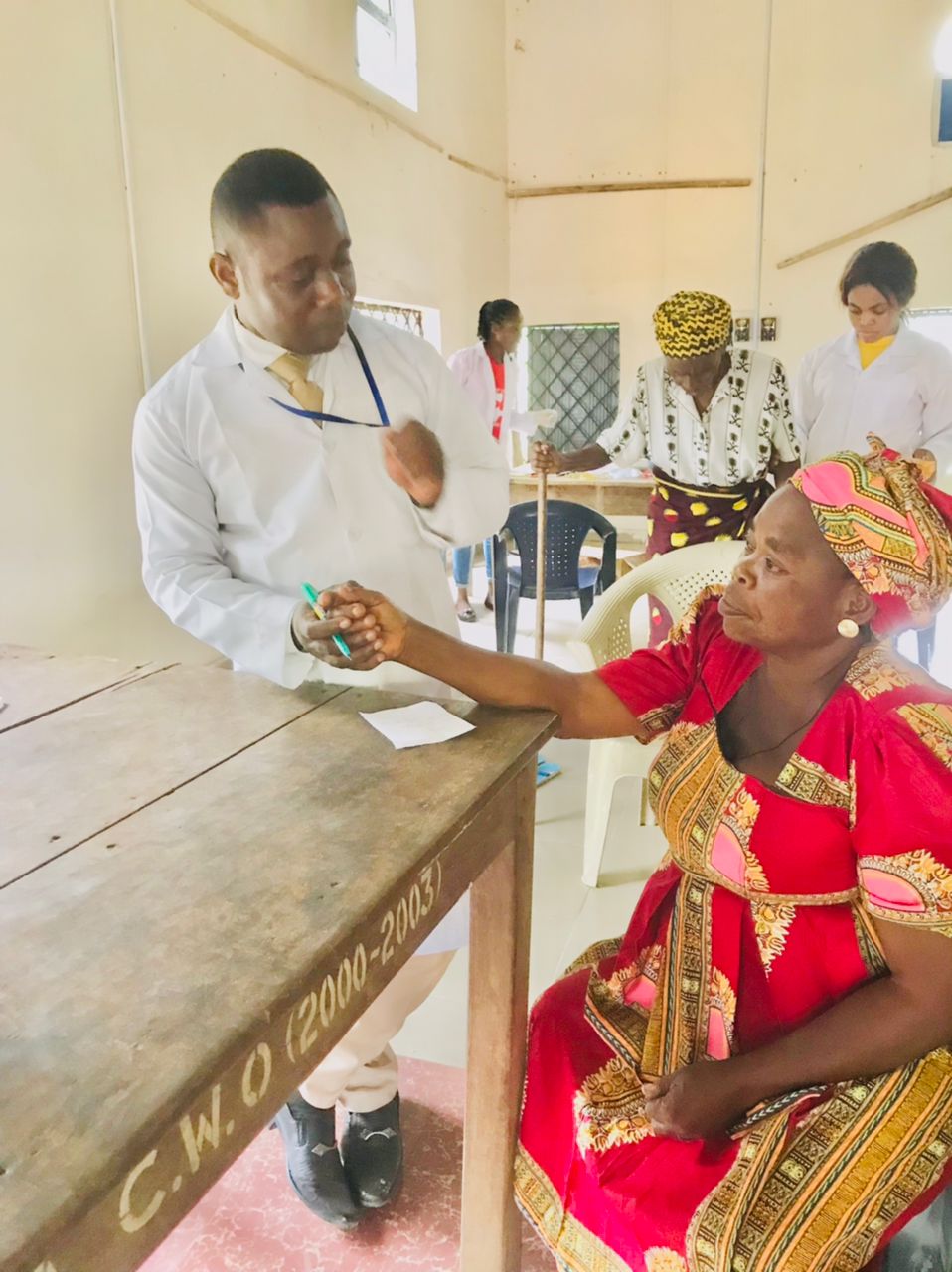
We deliver essential healthcare services to underserved communities where limited access to medical care increases vulnerability to exploitation — including organ trafficking. Our volunteer teams of doctors and nurses go directly into rural communities, providing free consultations, screenings, medications and referrals.
Limited access to healthcare is not merely a health crisis — it is a protection crisis. When people cannot afford or reach healthcare, they become easy targets for traffickers offering "medical travel" and false promises. KLSF intervenes at this critical vulnerability point.
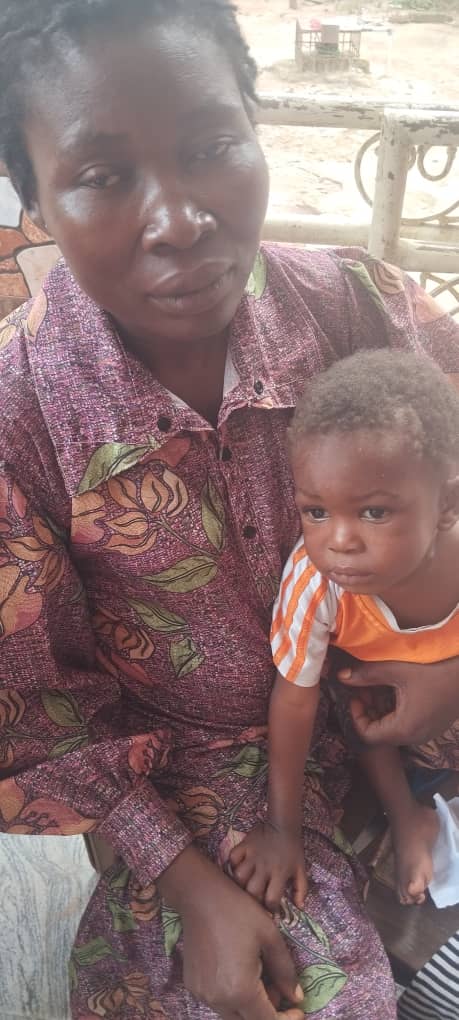
We support women and children through integrated health programs — reducing vulnerabilities associated with poor health conditions that often expose families to desperate survival decisions, including organ trafficking. Poor health is a gateway to exploitation.
Menstrual Hygiene (DHI-MSRG): Monthly menstrual kits for adolescent girls aged 12–19 in rural communities, paired with body dignity education, protection awareness sessions and safeguarding information. We address health, dignity and vulnerability to exploitation — not just kit distribution.
Maternal & Infant Safety (SMISI): Education on antenatal care, safe delivery practices, danger signs in pregnancy, newborn care, and community responsibility — reducing preventable maternal and infant deaths in rural communities.
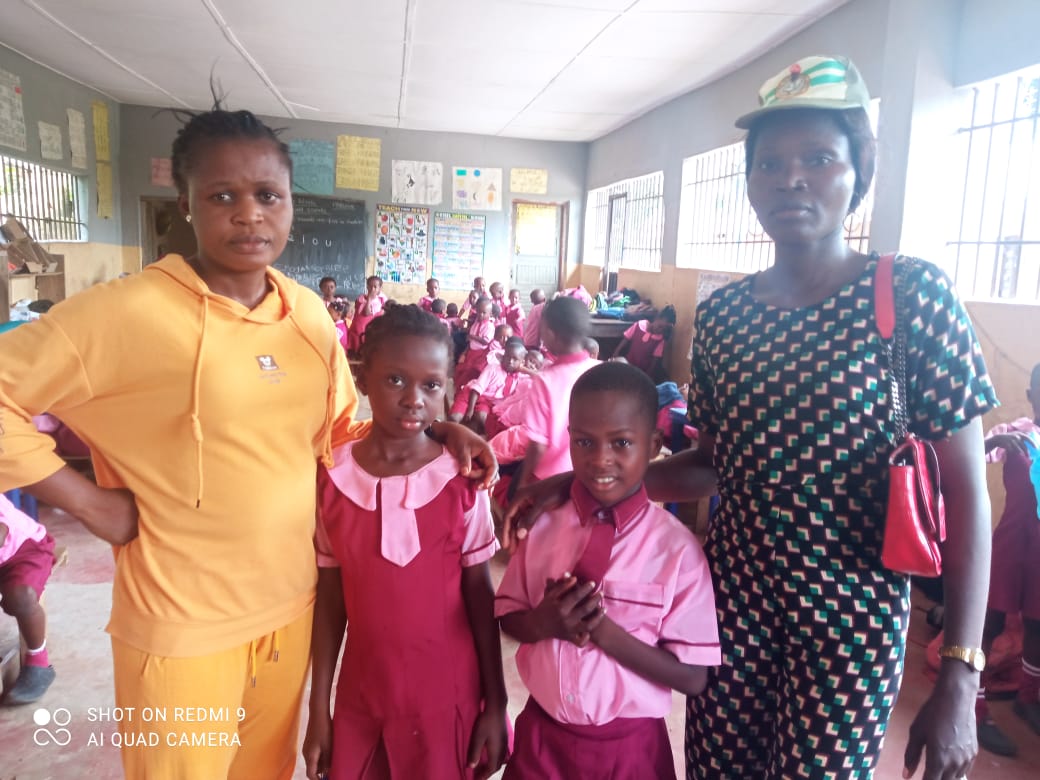
Education is the most durable protection against exploitation. The Rural Education & Protection Scholarship Initiative supports access to basic and secondary education for vulnerable children in rural communities — reducing their exposure to trafficking, child labour and early marriage.
We support children aged 6–18 from low-income households, with priority for orphans, children of widows, and girls at risk of early marriage. Our scholarship includes school fees, books, uniforms and a monitoring system tracking attendance, academic performance and exploitation risk signals.
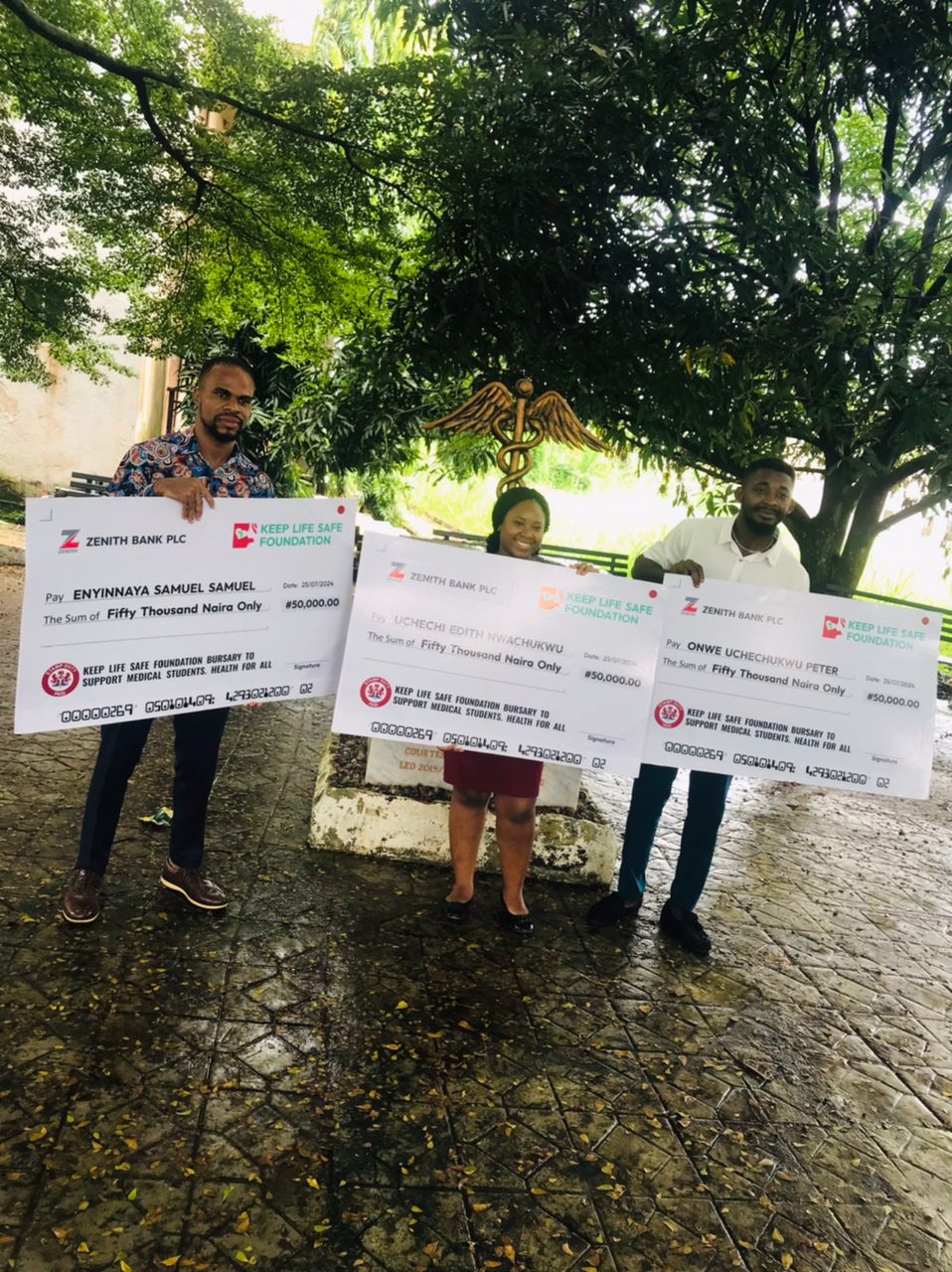
The Vulnerability-Responsive Health Workforce Support Program trains healthcare professionals in bioethical practice — equipping them to recognise, resist and report illicit organ procurement and unethical practices. Rural communities suffer from a shortage of trained professionals and weak institutional support. By supporting medical and nursing students, KLSF directly counters structural vulnerability in healthcare.
Beneficiaries receive financial support for tuition, books, equipment and licensing fees — alongside quarterly bioethics training on organ trafficking awareness, patient dignity and professional integrity. They must also participate in rural outreach programs and anti-organ trafficking sensitisation activities.
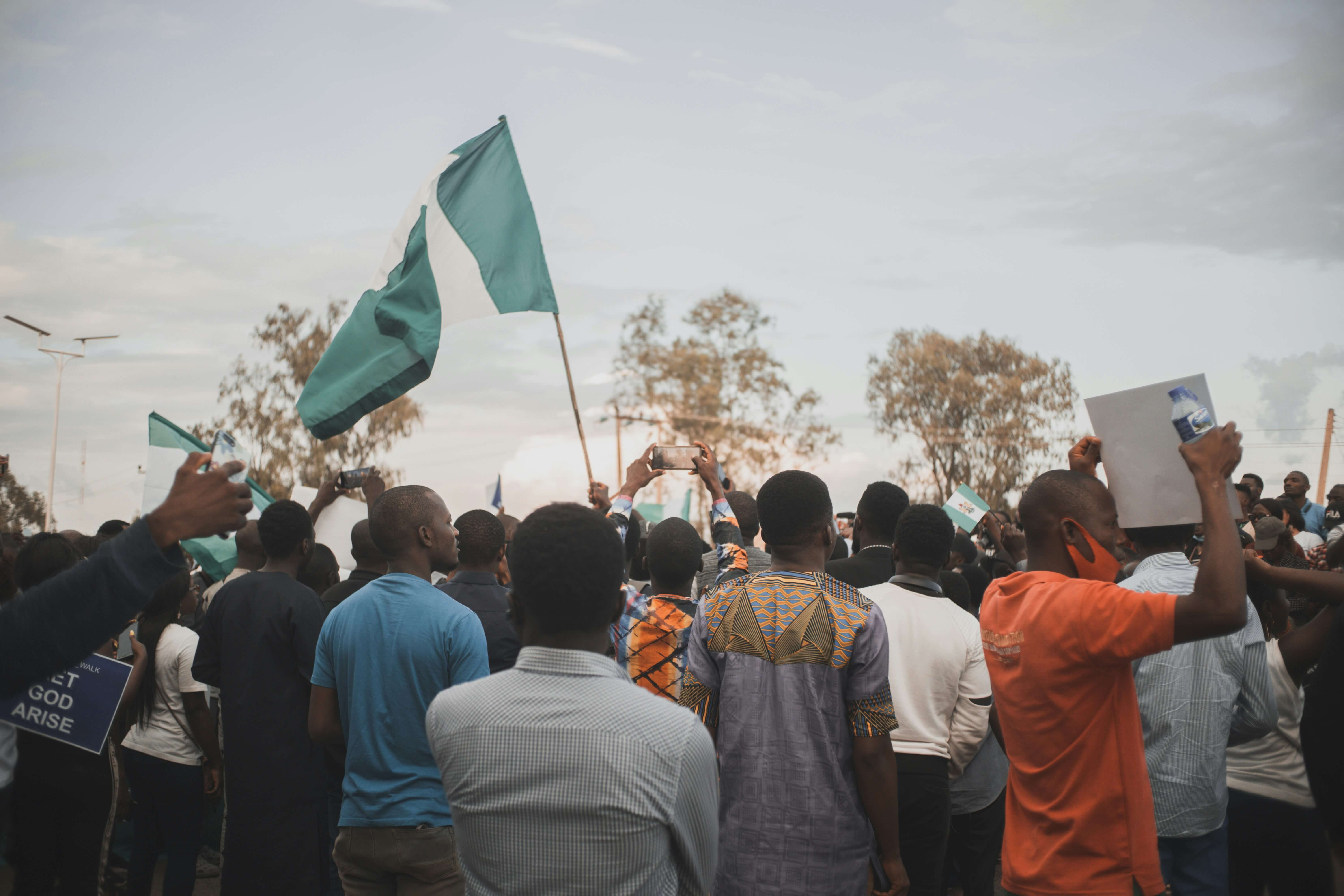
This is KLSF's flagship advocacy program — the Medical Vulnerability & Organ Trafficking Prevention Initiative. We identify, educate and reduce the vulnerability of at-risk populations to organ trafficking through bioethical awareness, early detection and community referral systems.
Primary targets are rural youths (18–35), adolescent girls (12–16) and economically vulnerable parents. Our program educates communities on: how organ trafficking happens, recruitment tactics, false promises (jobs, travel, money), and how to recognise and report suspicious offers. We operate on one core message: "Traffickers don't start with organs — they start with your situation."
We collaborate with the Network Against Child Trafficking, Abuse and Labour and other anti-trafficking organisations to create referral pathways for at-risk individuals.
“KLSF saved my life during childbirth. The nurses knew exactly what to do when complications arose.”

With your support, we can reach more communities, help more girls stay in school, and save more lives.